Quick answer
New Zealand treats hull biofouling as a significant biosecurity issue because marine pests can spread by attaching to submerged boat surfaces and being transported between harbours and regions.
Keeping a clean hull isn’t just about vessel performance or appearance – it also plays an important role in helping reduce the spread of invasive marine species. Research from the Cawthron Institute and guidance from Biosecurity New Zealand show that maintaining hull cleanliness can be challenging due to regional differences, limited haul-out facilities in some areas and restrictions on in-water hull cleaning.
For many boat owners, understanding how hull cleanliness is assessed is the first step towards making informed maintenance decisions.
What is biofouling?
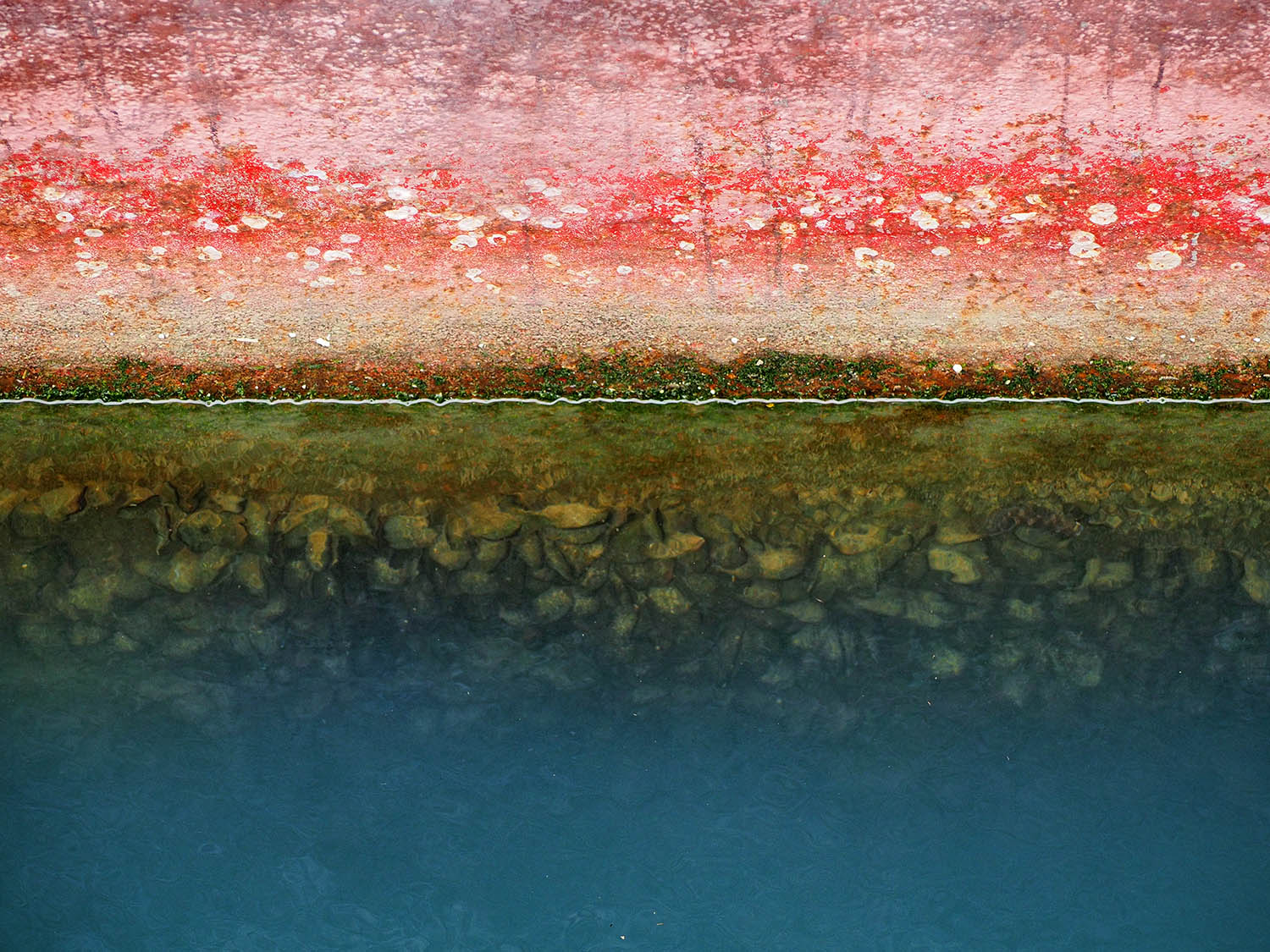
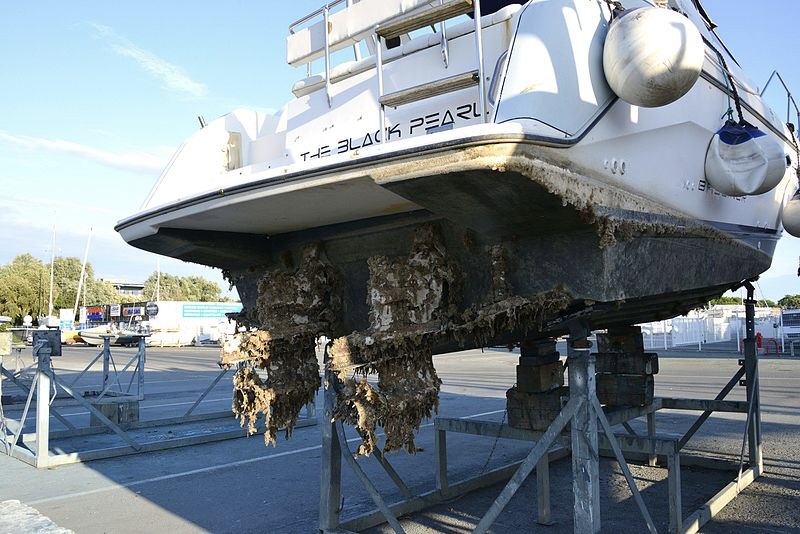
Biofouling is the accumulation of marine organisms on submerged surfaces such as a boat’s hull, propeller, rudder and other underwater components.
The process typically begins with a microscopic biofilm (slime layer) before progressing to algae, weed, barnacles and other marine organisms if the vessel remains in the water for extended periods.
Besides increasing drag and maintenance requirements, biofouling is recognised as an important marine biosecurity issue because it can transport non-native marine species into new environments.
Why is biofouling important in New Zealand?
New Zealand is home to unique marine ecosystems found nowhere else in the world.
When invasive marine species become established, they can be extremely difficult (or impossible) to remove. For this reason, preventing their spread is generally considered more effective than attempting to eradicate them after establishment.
Research has identified recreational and commercial vessels as important pathways for marine pest movement between regions. As a result, hull cleanliness forms part of New Zealand’s broader marine biosecurity strategy.
How is hull cleanliness assessed?
Quick answer
New Zealand uses a structured assessment system to describe hull cleanliness.
The Level of Fouling (LoF) assessment scale, developed by the Cawthron Institute for Auckland Council, provides a practical method of describing hull cleanliness.
Under this system:
- LoF 0 represents a hull free from slime and visible marine growth.
- LoF 1 indicates the presence of a slime layer (biofilm), even where no visible macrofouling is present.
- Higher LoF rankings describe increasing amounts of visible marine growth such as algae, barnacles and other organisms.
The guide also notes that niche areas, including propellers, rudders, shafts, struts and thrusters, often accumulate fouling before the main hull and should be included when assessing overall hull condition.
Are the requirements the same throughout New Zealand?
Quick answer
Not always.
While New Zealand has a strong focus on marine biosecurity, regional councils and individual marinas may have different biosecurity requirements or management approaches.
A national survey of 701 New Zealand recreational boat owners found that many boat owners considered these regional differences one of the more challenging aspects of maintaining a clean hull, particularly when travelling between regions.
The survey also found that:
- around two-thirds of Auckland respondents said they primarily cleaned their hulls to meet marina or regional biosecurity expectations
- access to haul-out facilities was a common concern
- restrictions on in-water hull cleaning made ongoing hull maintenance more difficult for many boat owners.
Why can it be difficult to maintain a clean hull?
Biofouling begins naturally whenever a vessel remains in the water.
The first stage is the development of a microscopic slime layer (biofilm). Over time, if conditions allow, additional marine organisms such as algae, weed and barnacles may attach to this surface.
Antifouling coatings are designed to help manage marine growth, but they have a finite service life. Their effectiveness changes over time and is influenced by factors such as the type of coating, local water conditions and how the vessel is used.
This means that even well-maintained boats remain exposed to biofouling while they are continuously submerged. Reducing the amount of time a hull spends in the water between uses can help reduce the opportunity for marine growth to develop.
What does hull maintenance cost?
According to the Cawthron Institute’s national survey, New Zealand recreational boat owners reported spending an average of 22 hours each year on hull cleaning and antifouling.
That’s the equivalent of almost three full working days every year dedicated solely to managing hull biofouling.
The survey also found that respondents were interested in solutions that could reduce the need for repeated hull cleaning while supporting improved marine ecosystem health.
How can reducing time in the water help?
Quick answer
Marine growth can only develop while a hull is in the water.
Reducing the amount of time a hull spends continuously submerged reduces the opportunity for slime and other marine growth to develop between trips.
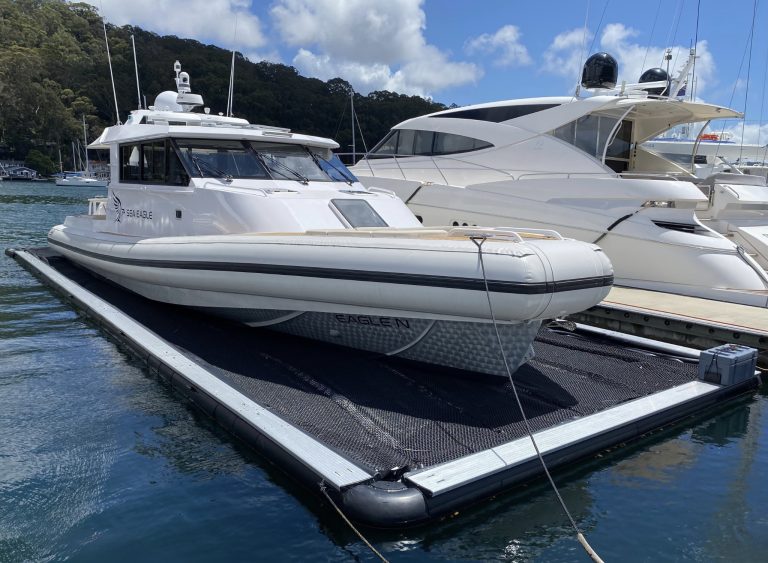
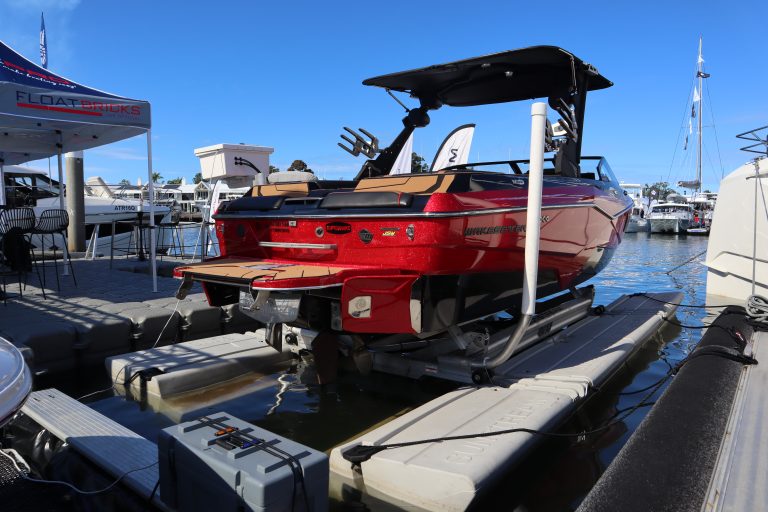
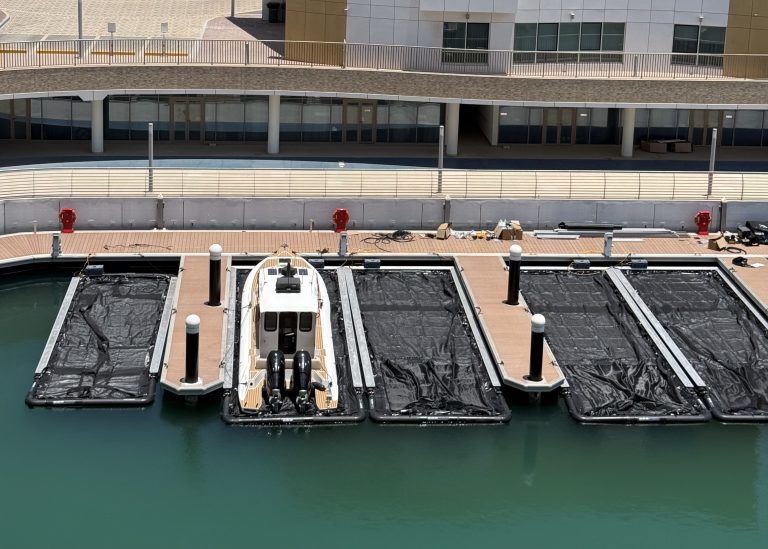
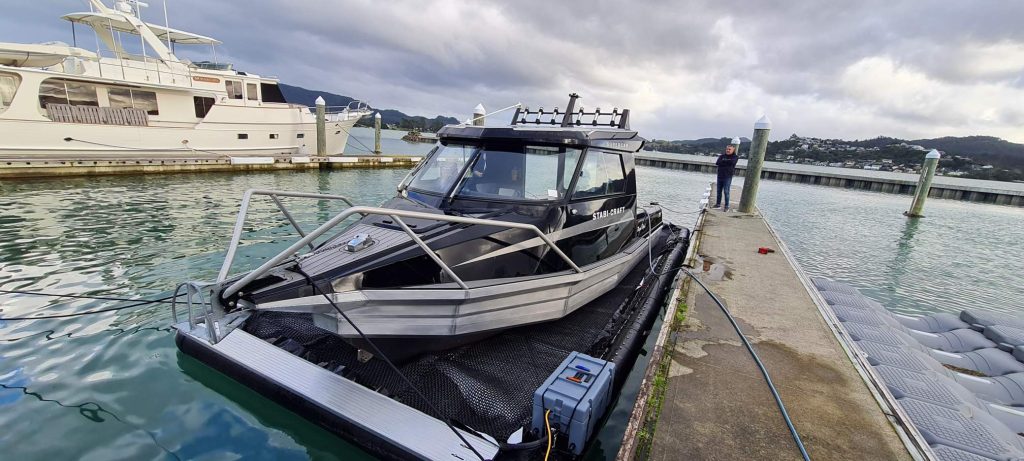
One example is a SeaPen®, a floating dry-docking system that allows a boat to remain at its berth while keeping the hull clean from marine growth between uses.
Once the boat is inside the SeaPen, the rear gate closes and an automatic bilge pump system removes water from inside the dock. A ventilated rope mat creates an air gap between the hull and the SeaPen’s inner skin, helping the hull dry between outings.
When the boat is dry-docked, it generally spends significantly less time continuously immersed, and therefore there is less opportunity for marine growth to establish while the vessel is stored.
Depending on how the vessel is used and maintained, keeping a boat clean between uses may also:
- reduce the opportunity for biofouling to accumulate on hull surfaces and niche areas
- reduce the frequency of haul-outs undertaken primarily to remove early-stage biofouling
- make routine hull management more convenient
- support owners in maintaining a cleaner hull between scheduled maintenance.
A SeaPen does not replace routine servicing, inspections or any regional biosecurity requirements that apply to your vessel.
The bottom line
New Zealand’s approach to hull biofouling reflects the country’s commitment to protecting its unique marine environment.
Research shows that maintaining a clean hull can be challenging due to varying regional requirements, limited haul-out availability in some locations and restrictions on in-water cleaning.
Reducing the amount of time a hull spends continuously submerged is one practical way to reduce the opportunity for marine growth to develop between uses. For some boat owners, a floating dry-docking system such as a SeaPen may make ongoing hull management simpler while supporting good maintenance practices.
If you’re looking for practical ways to reduce the amount of time your hull spends continuously submerged between trips, the DockPro New Zealand team is happy to explain how a SeaPen works and whether it’s suitable for your vessel.
Frequently Asked Questions
What is biofouling?
Biofouling is the build-up of marine organisms – including slime, algae, weed, barnacles and shellfish – on submerged boat surfaces.
Does a hull need visible growth to have biofouling?
No. Under the Cawthron Institute’s Level of Fouling assessment scale, a slime layer alone is enough for a hull to move from LoF 0 to LoF 1.
Are biofouling requirements the same across New Zealand?
Not always. Regional councils and marinas may have different biosecurity requirements or management approaches, so boat owners should check the latest guidance before travelling.
Does keeping a boat dry prevent biofouling?
Keeping a boat dry between uses significantly reduces the opportunity for marine growth to develop while the vessel is stored. However, whenever the boat is used and returns to the water, some exposure to biofouling will naturally occur.
Does a SeaPen guarantee compliance?
No. Compliance depends on the applicable regional requirements, the vessel’s operating history and its overall hull condition. A SeaPen is designed to help reduce the opportunity for biofouling to develop by keeping the hull clean from marine growth between uses, but boat owners remain responsible for complying with any applicable regional or marina requirements.
Disclaimer
This article is provided as general information only and should not be relied upon as legal, regulatory or biosecurity advice. Biosecurity requirements may vary between regions, marinas and individual circumstances and may change over time. Boat owners should refer to the latest guidance published by the relevant regional council, marina and the Ministry for Primary Industries (MPI) before travelling or undertaking hull maintenance.
Further Reading & References
If you’d like to explore the research behind this article in more detail, the following publications provide the evidence supporting the information discussed above.
Level of Fouling (LoF) Guidance and Schematics – Cawthron Institute for Auckland Council. Available via the Northland Regional Council.
https://www.nrc.govt.nz/media/igbn3s0s/level-of-fouling-lof-guidance-and-schematics-cawthron.pdf
Recreational Boater Views on Hull Cleanliness: Insights from a National Survey (Cawthron Report 4113) – Prepared for the Ministry of Business, Innovation and Employment.
Biosecurity New Zealand – Ministry for Primary Industries (MPI)
https://www.mpi.govt.nz/biosecurity/