Buying a new boat is exciting.
Whether it’s your first vessel or your latest upgrade, there’s nothing quite like the feeling of getting the keys, planning your first day on the water, and imagining weekends spent boating instead of maintaining.
But once the excitement settles, most owners ask the same question:
What should I actually do first?
The truth is, the smartest decisions happen before the first major maintenance bill arrives.
Here’s what every new boat owner should think about first.
1. Protect the Hull Before Problems Start
One of the biggest mistakes new boat owners make is waiting until marine growth becomes a problem.
If your boat will be stored in the water, your hull is immediately exposed to:
- Marine growth
- Barnacles
- Corrosion
- Increased fuel consumption
- More frequent cleaning
- Expensive antifouling cycles
Many owners default straight to antifouling paint—but it’s worth understanding your options first.
Antifouling is an ongoing cost, not a one-time solution.
Most applications need to be redone every 12–18 months and can cost thousands each time depending on boat size.
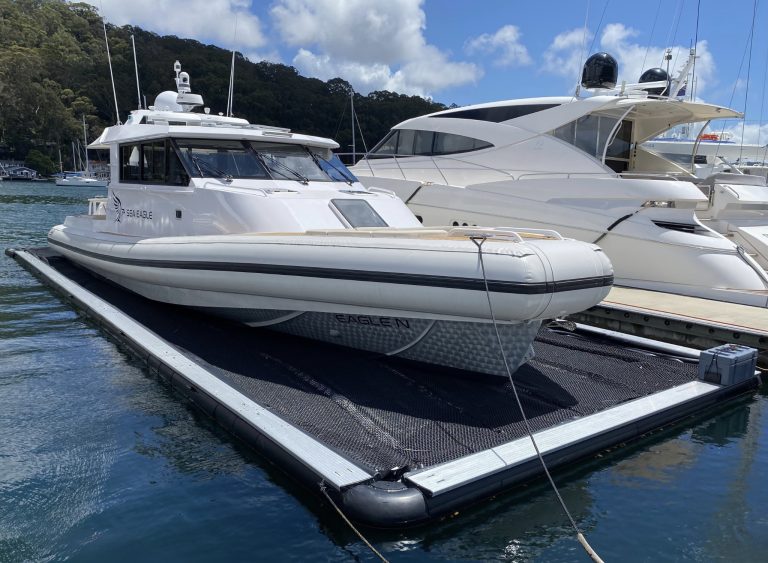
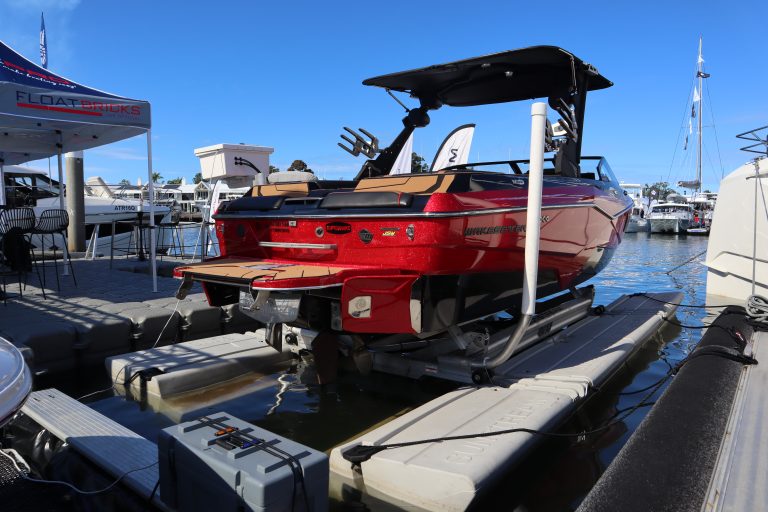
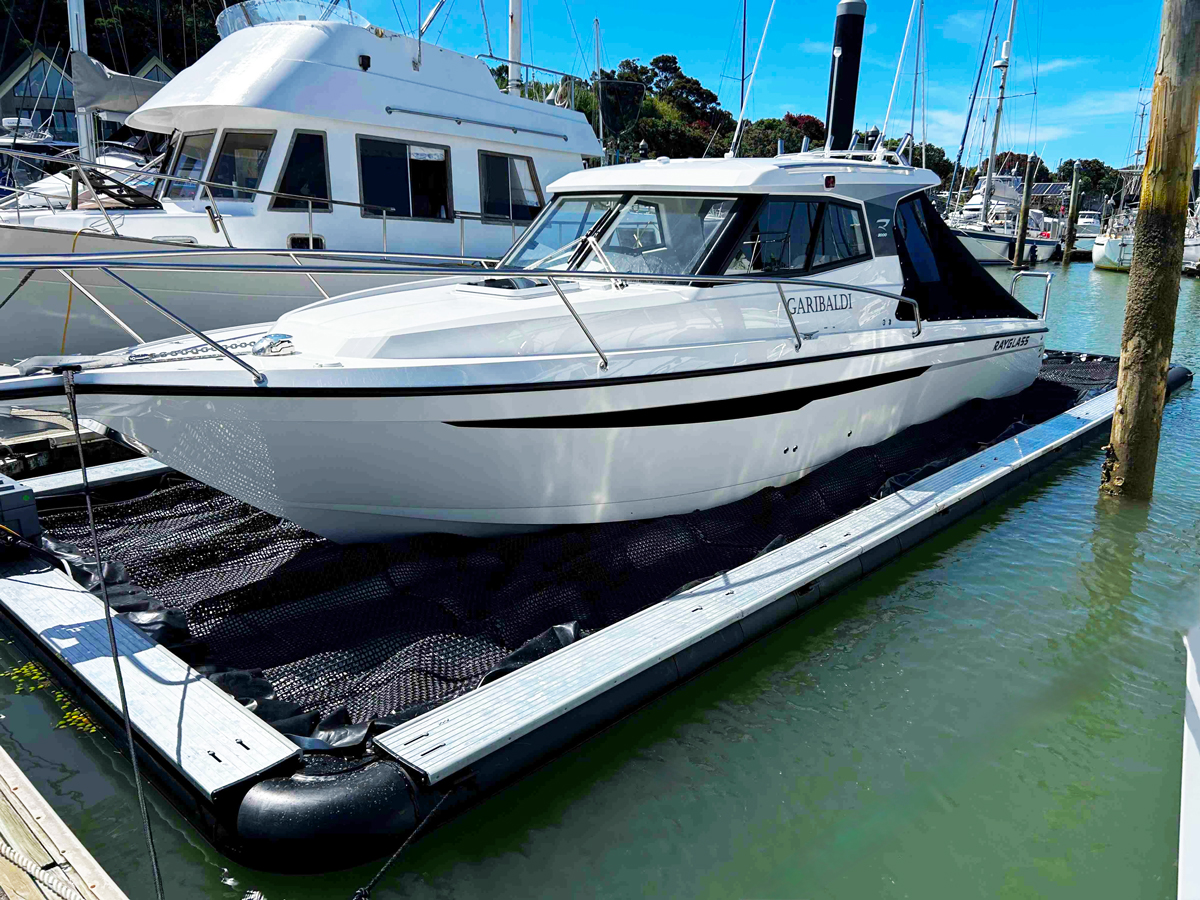
That’s why many owners now look at dry docking systems like a SeaPen, which keep the hull dry between uses and remove the need for constant antifouling.
2. Understand the Difference Between Antifouling and Barrier Coats
These are often confused—but they do very different jobs.
Antifouling
Designed to prevent marine growth from attaching to the hull.
It helps reduce barnacles and slime but contains biocides and heavy metals that gradually wear away.
Barrier Coat
Designed to protect the hull itself by creating a waterproof layer that helps reduce the risk of osmosis, especially for fibreglass boats.
A barrier coat protects your asset.
Antifouling manages growth.
They are not the same thing.
A good marine professional can help you assess whether your new boat already has a barrier coat and whether it should be refreshed.
3. Make Docking Easy From Day One
This gets overlooked far too often.
A boat that feels hard to dock becomes a boat people use less.
If you’ve ever felt nervous approaching a marina berth, or boat ramp, you’re not alone.
Many owners tell us the “fear of docking” is one of the biggest hidden stresses of boat ownership.
That’s why your docking setup matters.
A system like a SeaPen doesn’t just keep your hull clean—it also acts like a boat catcher, making solo docking dramatically easier.
For many owners, this convenience becomes the feature they value most.
4. Think About Long-Term Running Costs
The purchase price is only the beginning.
You also need to consider:
- Antifouling
- Hull cleans
- Marina access
- Lift fees
- Fuel efficiency
- Service costs
- Hull repairs
- Time off the water
A clean hull can significantly improve performance and fuel efficiency by reducing drag.
Less marine growth means less resistance and less money spent later.
The cheapest solution upfront is not always the most cost-effective over five years.
5. Create a Simple Maintenance Plan
Good boating is proactive, not reactive.
Even simple planning helps:
- Service schedule reminders
- Bilge checks
- Battery monitoring
- Trailer servicing (if applicable)
- Lift or dry dock servicing
- Wash-down routines
- Safety gear checks
The goal is simple:
Prevent small problems from becoming expensive ones.
6. Ask: How Can I Make Boating Easier?
This is the best question to ask.
Not cheaper.
Not faster.
Easier.
Because the easier boating feels, the more often you’ll use your boat.
That’s where the right setup matters most.
The best boat owners are rarely the ones doing the most maintenance.
They’re the ones who built the right system from the start.
Final Thoughts
Buying a new boat should feel exciting—not like the start of endless maintenance.
The best first step is thinking beyond the launch day.
Protect the hull.
Plan for docking.
Understand your dry docking options.
Set yourself up properly from the beginning.
Because boating should be about getting on the water—not constantly working on the boat.
At DockPro, we always say the same thing:
We make boating easy.